
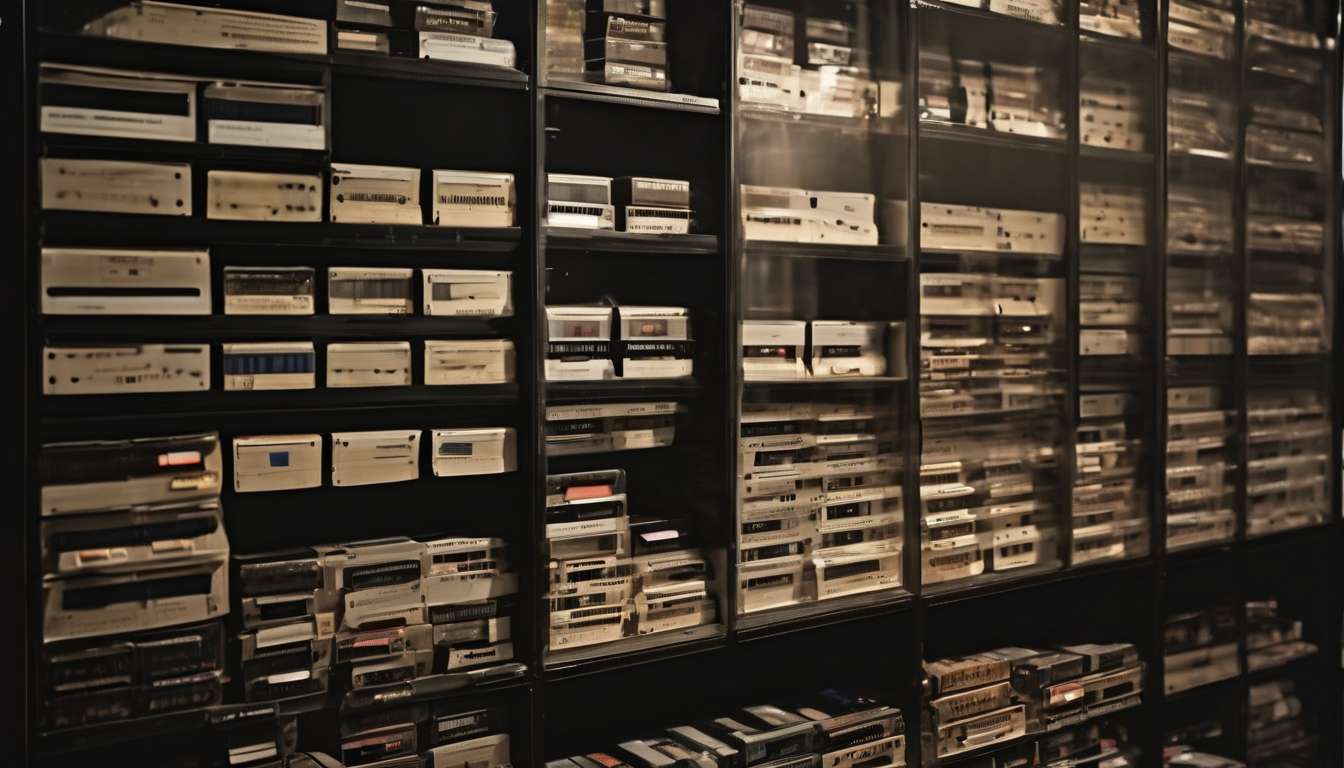
Might we be preserving more than memories when we archive adult media—are we also tracing cultural, technological, and ethical shifts?
Digital preservation does more than store files; it maps how society negotiates privacy, consent, and desire across formats and eras.
As archivists, scholars, and consumers, we confront questions about access, censorship, and the ethics of saving material that many institutions historically ignored or actively erased.
We aim to illuminate how file formats, platforms, and legal frameworks have shaped what survives and how future generations will interpret intimate visual histories.
Our investigation considers the technical hurdles—bit rot, metadata loss, proprietary codecs—alongside moral responsibilities:
- Who decides what merits preservation?
- How do we protect creators and subjects?
By documenting the evolution of adult media, preservation work reveals broader narratives about:
- technology’s influence on intimacy,
- the shifting boundaries of acceptable expression,
- the power dynamics embedded in archival choices.
Historical Trajectories
We’ll trace how adult media’s forms, distribution, and cultural status have shifted over time and shaped current preservation challenges.
Historical shift: We’ve seen underground prints give way to home video and then to sprawling online networks. This transformation changes what is preserved, how it is found, and which communities control narratives.
Shared responsibility: As community members, we recognize that preservation requires more than bit‑level backups. It needs provenance metadata that documents creators, formats, and distribution contexts so future researchers and participants can understand origins and transformations.
Inclusive, ethical access: We’re committed to practices that balance access and ethics by providing researchers and community stakeholders with meaningful access while protecting privacy and consent. Key components include:
- Transparent policies that explain collection scope, use, and governance.
- Controlled access tiers that limit sensitive material to appropriate audiences.
- Collaboration among archivists, technologists, and the communities represented.
Collaborative legitimacy and resilience: By pooling expertise and honoring lived experiences, we strengthen the archive’s legitimacy and resilience. That collaboration supports sustainable technical choices and culturally informed curation.
Safeguards against harm: We’re building systems that acknowledge stigma, safeguard subjects, and keep materials discoverable for cultural study, legal clarity, and community memory without reproducing harms. This requires ongoing review, responsive consent practices, and mechanisms to remediate or restrict content when ethical concerns arise.
Technological Milestones
Over the decades, discrete technological milestones — from analog tape and VHS to peer‑to‑peer networks and streaming platforms — have reshaped how adult media is produced, distributed, and archived.
Digitization lowered barriers and broadened participation.
- It enabled communities to take part in digital preservation.
- It also created a demand for standards that protect context and continuity.
Formats evolved quickly, so we adopted robust workflows to ensure long-term usability.
- Ingest content using consistent procedures.
- Normalize files to stable preservation formats.
- Attach provenance metadata documenting creators, dates, and chain of custody.
Belonging comes from shared stewardship: volunteers, scholars, and archivists collaborate on policy and practice.
- They refine policies for long-term readability, storage integrity, and responsible access and ethics.
We implement technical safeguards to preserve collections across platform changes.
- Use checksums to detect corruption.
- Maintain redundant storage for resilience.
- Execute migration strategies to move content off obsolete formats.
We design user-centered finding aids and controlled access points to balance discoverability with community expectations.
- Finding aids improve usability and context.
- Controlled access protects sensitive content while enabling research.
By treating technological change as a collective project, we keep the archive a living resource — accurate, accountable, and welcoming to those who care about preserving this history.
Archival Ethics
We prioritize ethical stewardship, recognizing that preserving adult media requires balancing privacy, consent, legal obligations, and scholarly value. Digital preservation is not just about bits; it’s about people and relationships.
We commit to transparent practices that respect contributors and researchers alike, creating a welcoming community of care.
We ensure provenance metadata is thorough, noting:
- creators
- dates
- chain of custody
- any consent statements
so future users can assess context and responsibility.
We weigh access and ethics together and use tools such as:
- controlled access,
- redaction,
- embargoes
to protect vulnerable subjects while enabling legitimate study.
We maintain clear intake policies and community review, so decisions aren’t made in isolation.
We support training and shared guidelines so everyone involved feels included in ethical choices.
By centering dignity, documentation, and communal accountability, we preserve material responsibly and foster trust among creators, archivists, and researchers.
Legal and Policy Shifts
We regularly review and adapt preservation practices to stay compliant and protect people represented in our collections.
We engage with legal advisors, platform teams, and community members so our digital preservation work reflects current requirements without excluding those whose histories matter. Policy shifts can change who can share material, how long it can be stored, and what safeguards are required.
We center access and ethics when interpreting regulations.
- We balance transparency with safety.
- We document decisions and implement procedures that respect consent, privacy, and dignity while meeting retention and takedown obligations.
Where rules are unclear, we advocate for fair, community-informed solutions.
- We push for clarity that supports preservation rather than erasure.
- We maintain provenance metadata to record legal status and policy actions over time so future stewards understand context.
By collaborating and staying informed, we create a resilient framework that honors creators, subjects, and users within evolving legal and policy landscapes.
Metadata and Provenance
We record detailed metadata and clear provenance trails so future users can understand an item’s origin, custody, and any legal or ethical constraints that affect its use.
We tag files with standardized descriptors—creator, date, format, rights holder—and link those to provenance metadata that traces transfers, edits, and custody changes.
We document consent status and contextual notes so community members feel safe and respected when engaging with materials.
We balance transparency with care: metadata must enable discovery and research while protecting privacy and honoring consent.
We build layered access controls informed by access and ethics principles to ensure sensitive records are discoverable by authorized scholars but shielded from casual exposure.
We maintain audit logs and version histories so every change is accountable and reversible.
We share metadata schemas and provenance practices to invite collaborators into a stewardship community committed to responsible digital preservation of adult media, where everyone can contribute knowing their work supports ethical, traceable, and inclusive archives.
Preservation Challenges
Many preservation challenges arise from fragile file formats, shifting legal landscapes, and the need to protect contributors’ privacy while ensuring long-term accessibility.
Digital preservation is not only technical work; it is community stewardship.
Technical threats we confront include:
- Obsolete codecs that hinder playback and interpretation.
- Degraded storage media that risk data loss.
- Proprietary platforms that limit export, interoperability, or continuity.
Metadata and provenance are essential to future stewardship.
- We document provenance metadata so each item’s history, rights, and context remain legible.
- Clear provenance supports accountability, reuse, and legal/ethical decision-making.
We balance access and ethics by asking: who may see what, under which conditions, and how to prevent harm to creators and subjects?
- Access controls and tiered permissions.
- Redaction workflows to remove or obscure sensitive content.
- Policies that prioritize both transparency and safety.
Organizational responses include building shared policies, workflows, and trust mechanisms.
- Redaction and recall procedures to prevent reckless exposure of materials.
- Regular refresh cycles and migration strategies to maintain format viability.
- Prioritizing interoperable formats and open standards.
We collaborate across disciplines to manage risk and legality.
- Work with legal counsel and ethicists to handle takedown requests and jurisdictional differences.
- Establish clear procedures for responding to legal, ethical, or privacy concerns.
By facing these challenges together, we ensure our collection survives responsibly and inclusively.
- We honor contributors and protect vulnerable subjects.
- We foster an inclusive community of caregivers committed to preserving this cultural record for future stewards.
Access and Curation
Access tiers, curation criteria, and user responsibilities will be clearly defined.
- We will define distinct access tiers (e.g., public catalog, restricted collections, researcher-only) so materials are discoverable yet protected where necessary.
- Access decisions will balance openness with care, accounting for legal and ethical risk.
Public catalogs with descriptive provenance metadata.
- Public records will include provenance, acquisition details, and descriptive metadata so users understand context and origin.
- Provenance information will be standardized to support transparency and trust.
Restricted and researcher-only collections.
- Sensitive items will be placed in restricted collections with documented justification for limits.
- Where legal or ethical risks exist, researcher-only access procedures will require review and, where appropriate, oversight.
Documented selection and retention decisions.
- We will document why items are retained, how they were acquired, and who may view them.
- Retention policies will be explicit and publicly accessible to ensure accountability.
Staff and volunteer training in access and ethics.
- Staff and volunteers will receive training that centers consent, dignity, and harm reduction when responding to requests.
- Ethics training will include practical procedures for handling sensitive materials and engaging with community concerns.
Community-informed curation and stewardship.
- Community members will be invited to help curate subject tags, contextual notes, and interpretive frameworks.
- Shared stewardship ensures the archive reflects lived experience and collective decision-making.
Interoperable metadata standards and clear rights statements.
- We will adopt interoperable metadata standards and unambiguous rights statements to support discovery and reuse while preventing misuse.
- Rights clarity enables appropriate reuse and protects contributors and subjects.
Ongoing monitoring, review, and adjustment.
- Monitor access patterns and ethical concerns.
- Review policies periodically with community input.
- Adjust access tiers and preservation practices as needs and norms evolve.
Continuous alignment with preservation and community trust.
- Preservation goals will be maintained alongside commitments to equitable participation and community trust.
- Policy flexibility will allow the archive to evolve in response to new challenges and community priorities.
Future Historiography
We’ll consider how future historians will interpret adult media collections and what contextual records we’ll need to preserve accurate, ethical, and usable narratives.
We believe our shared stewardship matters: by committing to robust digital preservation practices, we ensure materials remain legible, searchable, and meaningful to communities who study cultural change.
We will record provenance metadata that captures:
- Creators
- Platforms
- Distribution paths
- Consent contexts
so future readers can assess authenticity and power dynamics.
We will embed access and ethics into workflows, balancing responsible availability with:
- Privacy protections
- Legal constraints
We will document curation choices, redaction decisions, and community consultations so interpretations don’t erase marginalized voices.
We will build collaborative tools and policies that welcome diverse researchers, archivists, and community members, fostering:
- A sense of belonging
- Mutual accountability
We will train the next generation in critical reading of digitized adult media, emphasizing how metadata and preservation actions shape historiography.
By doing this work together, we create archival ecosystems that let future historians tell nuanced, ethically informed stories about adult media’s social impact.
How do preservation decisions for adult media affect the personal privacy and safety of performers and subjects depicted in the materials?
We prioritize the safety of people featured in preserved materials.
We assess consent, redaction, access controls, and legal risks, and we involve affected communities in decisions.
We favor privacy-preserving storage, restricted access, and clear takedown pathways.
We will not default to open publication when harms are likely; instead, we center respect, dignity, and collective responsibility in our practices.
What role do former consumers or fan communities play in contributing to or contesting archival records of adult content?
We recognize former consumers and fan communities as active partners.
They donate materials, share memories, and help contextualize content.
They can also challenge archives when privacy or representation feel unsafe.
We collaborate with them to enrich collections, negotiate access, and create community-led descriptions.
We respect consent and practice harm reduction.
We value their expertise but maintain ethical and legal responsibilities.
We will not let unvetted contributions override protections for subjects and performers.
How are culturally specific norms and moral frameworks accounted for when defining what adult media is worth preserving across different societies?
We acknowledge that different societies frame adult media value through local norms, laws, and moral worlds.
Therefore, we consult diverse stakeholders, scholars, and community members to shape inclusive criteria.
We negotiate tensions between preservation, harm reduction, and cultural sensitivity by:
- creating transparent policies
- establishing advisory boards that respect plurality
We adapt practices to honor local values while maintaining historical record integrity and mutual respect. These adaptations include:
- Metadata standards that reflect cultural context.
- Access restrictions tailored to local norms and legal requirements.
- Contextual notes that provide background and interpretive guidance.
Conclusion
You’ve traced how adult media’s history hinges on changing tech, law, ethics, and archival practice.
You’ll confront preservation challenges—obsolescence, provenance gaps, consent—and shape access through careful curation and metadata.
You’ll weigh policy shifts against privacy and free expression as you build ethical repositories that document cultural change.
Going forward, your historiography will depend on adaptive tools, transparent standards, and ongoing critical reflection to keep this complex record usable, accountable, and historically meaningful.